

There’s a narrow window for you to act when water damage strikes, and taking prompt steps can significantly reduce the harm to your property. By addressing water damage quickly, you not only limit the extent of damage but also strengthen your position when filing an insurance claim. Understanding the urgency helps you protect your home and streamline the claims process. For guidance on managing water damage insurance claims, check out our blog post on Getting Insurance to Cover Water Damage. If you need immediate assistance, visit our water damage restoration services.
The Critical Window: Timing’s Role in Water Damage Claims
Within the first 24 to 48 hours after water intrusion, every decision you make can significantly impact the outcome of your insurance claim. Promptly halting further water entry and initiating mitigation efforts not only reduces physical damage but also demonstrates your proactive approach to the insurer. Delays often lead to expanded restoration costs and can provide insurers with grounds to contest claims due to neglect. Acting swiftly solidifies your position, enabling you to document conditions accurately and engage professional services before secondary damages, such as mold growth, develop.
Immediate Actions to Take After Water Ingress
Start by stopping the water source if you can safely do so—turn off the main water valve or electricity to affected areas to prevent hazards. Next, remove valuable items and electronics from the area to prevent further losses. Wells tapped for emergency pump-outs or extraction services should be contacted without hesitation as drying within the first day deters long-term structural issues and microbial growth. Each moment you wait, you risk worsening conditions that lead to more complex insurance evaluations and increased repair costs.
Establishing Documentation and Evidence During the First 24 Hours
Record comprehensive evidence of the damage immediately using high-resolution photos and videos from multiple angles. Maintain dated logs of all communications, actions taken, and professionals contacted. Collecting receipts from emergency measures, like water extraction or temporary repairs, supports your claim’s financial aspects. This detailed, time-stamped documentation provides a transparent timeline that helps insurance adjusters understand the severity and scale of the damage as it occurred.
To strengthen your documentation further, consider creating a detailed inventory of damaged items including make, model, purchase dates, and estimated values. Using mobile apps designed for insurance claims can organize this data effectively. Coupling these records with expert assessments or inspection reports within this initial period establishes irrefutable proof of loss and expedites approval processes. Insurers will respond more favorably when you present a clear, chronological account of events and mitigation steps.
The Cost of Delay: Financial Implications of Hesitation
Procrastinating after discovering water damage can dramatically inflate your expenses. The longer water sits untreated, the more it seeps into structural materials, leading to costly repairs beyond just drying and surface fixes. Mold growth can start within 24 to 48 hours, requiring specialized remediation often not covered by standard policies if attributed to neglect. Delayed action also risks depreciation of your home’s market value, turning what could be manageable repairs into extensive restoration or replacement projects.
Potential Losses: Repair Costs and Property Value Deterioration
The window to prevent secondary damage is narrow; unchecked water compromises drywall, flooring, and insulation, requiring full replacements. Your home’s resale value may decline since persistent moisture problems often deter buyers or trigger lower appraisals. For instance, even moderate water exposure that isn’t addressed swiftly can reduce property value by up to 10% compared to similar unaffected homes in your area. Delays increase these losses exponentially as repairs multiply and structural integrity degrades.
Impact on Insurance Coverage and Claim Settlements
Your insurance claim might be jeopardized if you fail to act promptly. Many policies stipulate timely mitigation as a condition for full coverage. Insurers often reduce payouts or deny claims if evidence shows you allowed damage to escalate. Accurate and prompt documentation during initial damage assessment significantly improves claim success, ensuring you receive the maximum entitled settlement to cover repairs and replacements.
Insurers typically require policyholders to take reasonable steps to minimize damage, like hiring water extraction services immediately after discovery. When you delay, insurers can argue you violated the policy’s mitigation clause, leading to partial or full denial of your claim. Additionally, late reporting may cause adjusters to question the authenticity or severity of the damage, resulting in lower compensation. Documenting initial damage and repairs with photos, receipts, and professional assessments also supports your claim’s validity. Acting swiftly directly influences not just repair costs but the financial aid you’ll receive, making timing important in your recovery process.
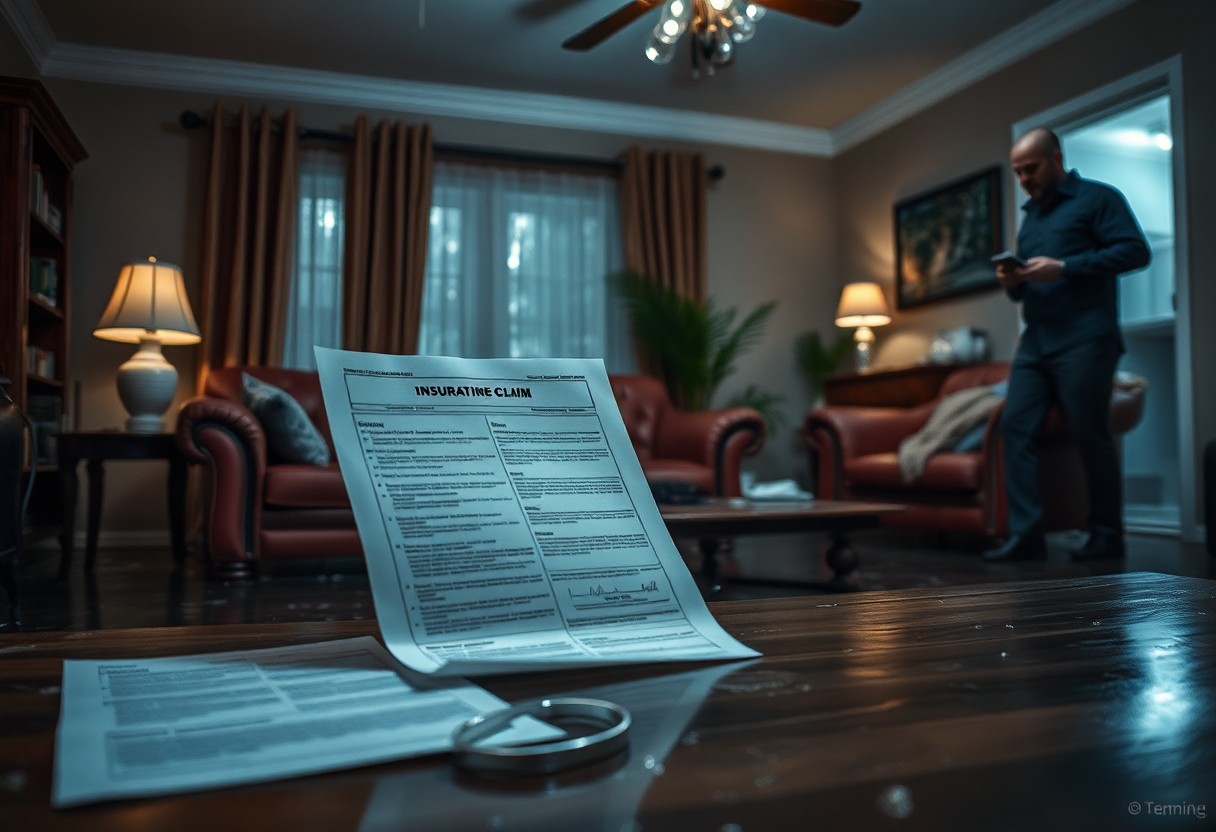
The Art of Communication: Engaging with Insurance Adjusters
Clear and timely communication with insurance adjusters shapes the outcome of your claim. Responding promptly and providing thorough documentation can prevent delays and misunderstandings. Frame your conversations around facts—describe damages precisely, reference policy terms, and share photo evidence. Adjusters appreciate transparency and organized information, which helps them assess the claim efficiently. Avoid speculation and stick to observations to maintain credibility. Your goal is to build a professional rapport that encourages fair handling and expedites claim resolution.
Best Practices for Reporting Water Damage
Reporting water damage begins with notifying your insurer immediately, ideally within 24 to 48 hours. Provide detailed descriptions along with photos or videos showcasing the affected areas. Include timelines and any temporary repairs you’ve made. Document communications and keep copies of every report or form submitted. This organized approach minimizes future disputes and ensures a smooth claim process.
Building a Favorable Case for Your Claim
Gathering solid evidence—such as repair estimates, contractor invoices, and expert assessments—strengthens your position significantly. Maintain an itemized list of damaged possessions with approximate values and proof of purchase when possible. The more comprehensive and verifiable your records, the easier it becomes to validate your loss and justify the claim amount.
In addition to documentation, your narrative plays a powerful role in convincing the adjuster. Detail the sequence of events leading to the water damage, emphasizing prompt mitigation efforts to minimize loss. Presenting a consistent story backed by tangible proof appeals to an adjuster’s analytical approach. Consider consulting restoration professionals for assessments that align with industry standards; independent evaluations can sometimes offer critical leverage in disputes. This strategic preparation showcases your diligence, making it difficult for insurers to undervalue or deny legitimate claims.
Proactive Measures: Preventing Future Water Damage Issues
Taking steps to prevent future water damage significantly reduces costly repairs and claim headaches. You can safeguard your property by investing in regular upkeep and smart technologies designed to detect leaks early. When water damage occurs, quick action is vital; if you need guidance, Water Damage? Don’t panic – Service Restore Pro offers expert advice on fast response strategies that minimize damage and simplify claims.
Regular Maintenance and Inspections That Pay Off
Routine checks of plumbing, roofing, gutters, and appliances catch vulnerabilities before they escalate. Scheduling biannual professional inspections helps identify hidden leaks or wear in pipes and seals, reducing water intrusion risks. Simple maintenance tasks like cleaning gutters or replacing worn caulking around tubs and sinks can prevent moisture buildup that leads to expensive repairs, protecting both your home and your insurance claim timeline.
Leveraging Technology for Early Detection of Water Problems
Smart water sensors and leak detectors plugged into your home system alert you instantly at the first sign of moisture where it shouldn’t be. These devices often connect to your smartphone, enabling immediate action even when you’re away. Integrating this technology into your home reduces damage severity, prevents mold growth, and supports stronger documentation for your insurance claim by providing timestamped leak data.
Beyond basic sensors, advanced systems analyze humidity levels and pipe pressure, predicting potential failures before leaks occur. Businesses and homeowners increasingly adopt IoT-enabled monitoring that sends real-time diagnostics and automated shutoff commands to prevent extensive flooding. This proactive approach not only saves thousands in repair costs but also expedites insurance claims by delivering precise evidence of when and how damage began.
Psychological Factors: The Stress of Water Damage and Claims
Water damage triggers a cascade of stressful emotions that can overwhelm your decision-making. Between managing immediate repairs and navigating the complex claims process, anxiety often intensifies. Stressors you may encounter include:
- Disruption of daily routines and loss of personal belongings
- Uncertainty about insurance coverage and claim approvals
- Pressure to act quickly to prevent further damage
Recognizing how these psychological factors impact your response can improve outcomes. Resources like The Importance of Quick Water Damage Response provide more insight on managing this critical phase.
Managing Stress and Navigating Emergency Situations
Facing sudden water damage requires balancing urgency with clear-headed thinking. Prioritize immediate safety, document damage thoroughly for your insurer, and contact professional restoration services quickly. Using checklists tailored for emergencies can streamline these steps and reduce feeling overwhelmed. Practical preparation eases stress and empowers you to manage the claim process more effectively.
The Importance of a Support Network During Crisis
You benefit greatly from leaning on family, friends, or community resources while dealing with water damage and claims. Emotional support mitigates isolation, and practical assistance helps handle logistics like moving belongings or gathering documents. Trusted professionals, including restoration experts and insurance advocates, contribute valuable expertise. This network transforms a daunting situation into one you can navigate with confidence.
Building your support network prior to emergencies ensures you’re not starting from scratch in a crisis. Family members can share responsibilities, while neighbors or local organizations sometimes provide temporary shelter or supplies. Insurance agents and restoration companies often act as guides through submissions and repair processes. These combined supports alleviate stress and expedite recovery, making your journey through water damage more manageable and successful.
Summing up
As a reminder, acting quickly after water damage occurs plays a key role in reducing the extent of the damage and strengthening your water damage claim. Taking prompt steps not only helps protect your property but also ensures you meet insurance requirements, making the claims process smoother. You can effectively minimize your losses and receive the coverage you deserve by responding immediately. For more tips on navigating water damage insurance claims, check out our blog post on Getting Insurance to Cover Water Damage. If you need expert assistance, visit our water damage restoration services page.